Transforming a working shipyard into a destination
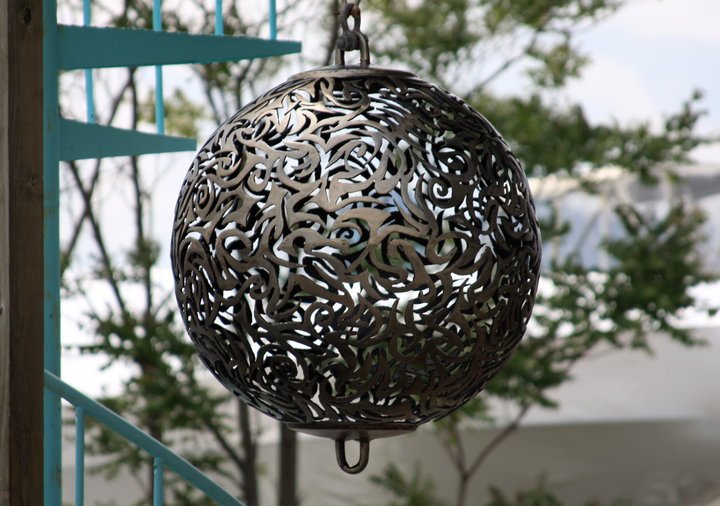
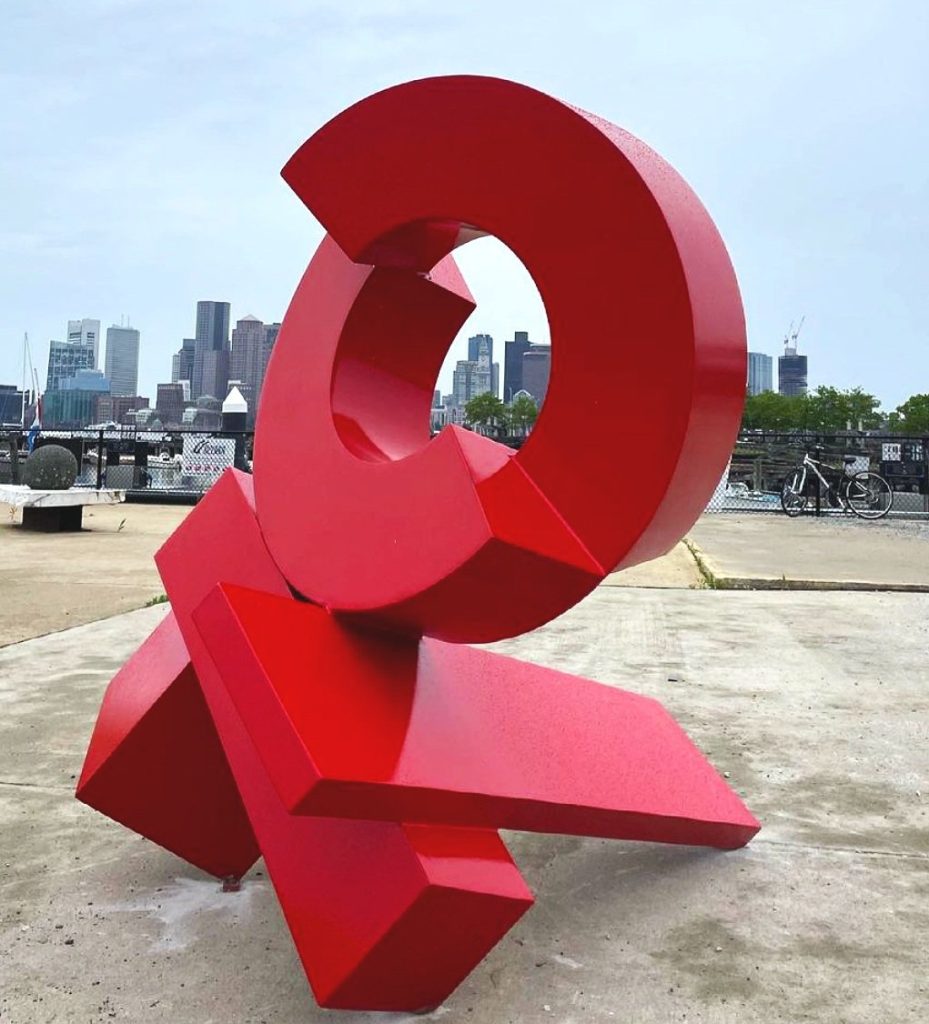
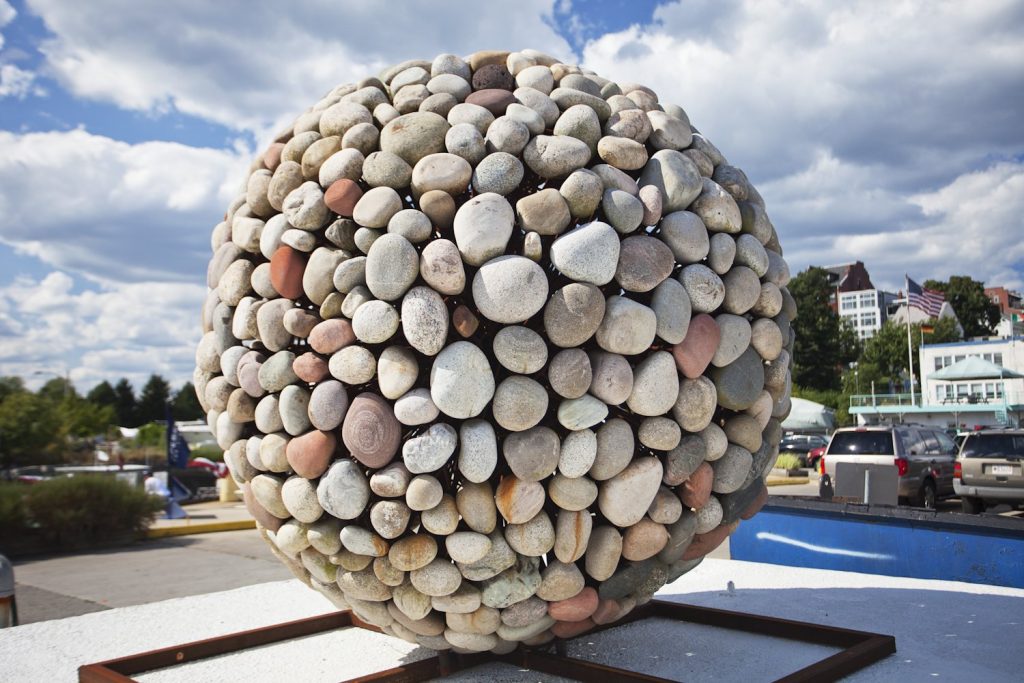
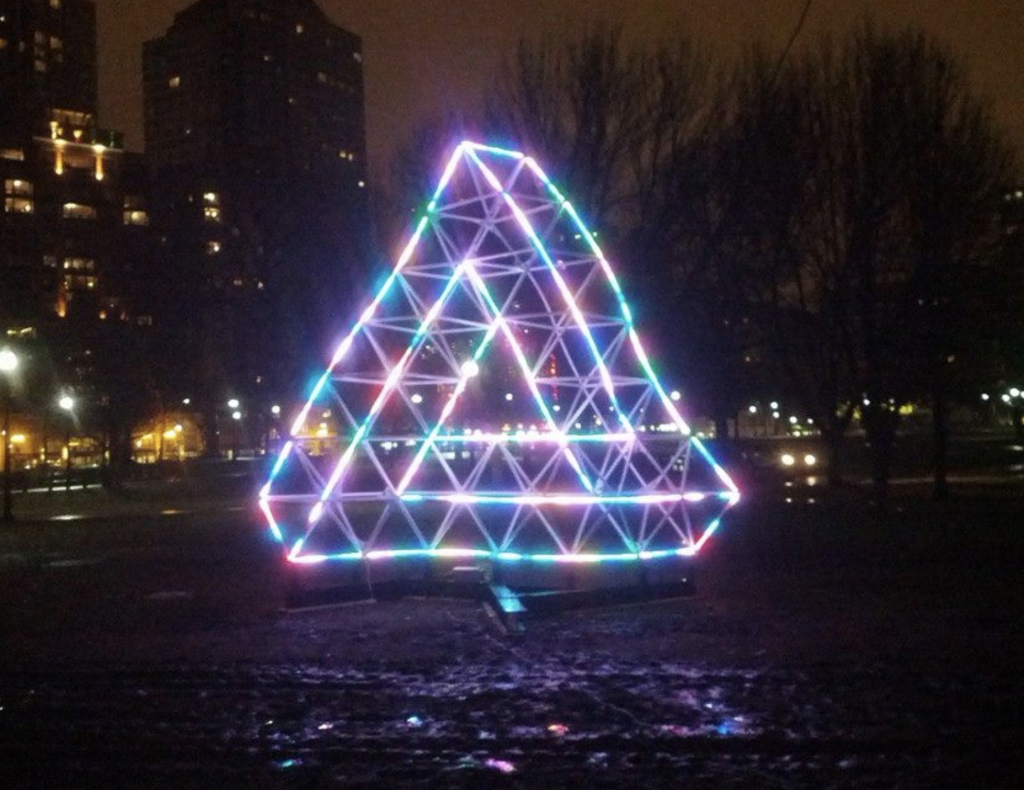
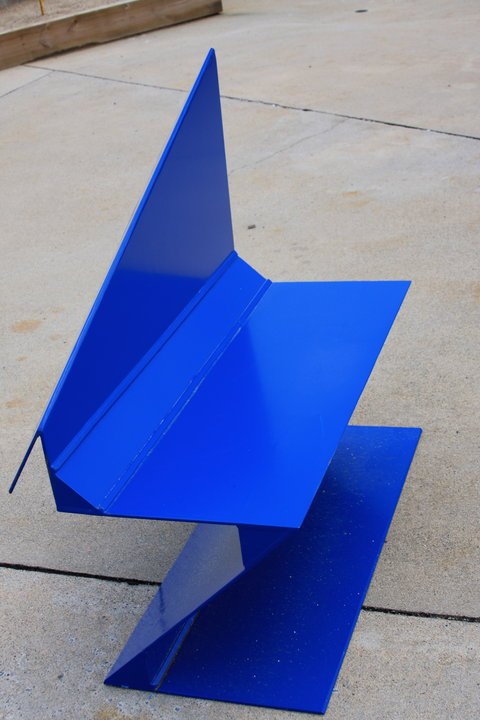
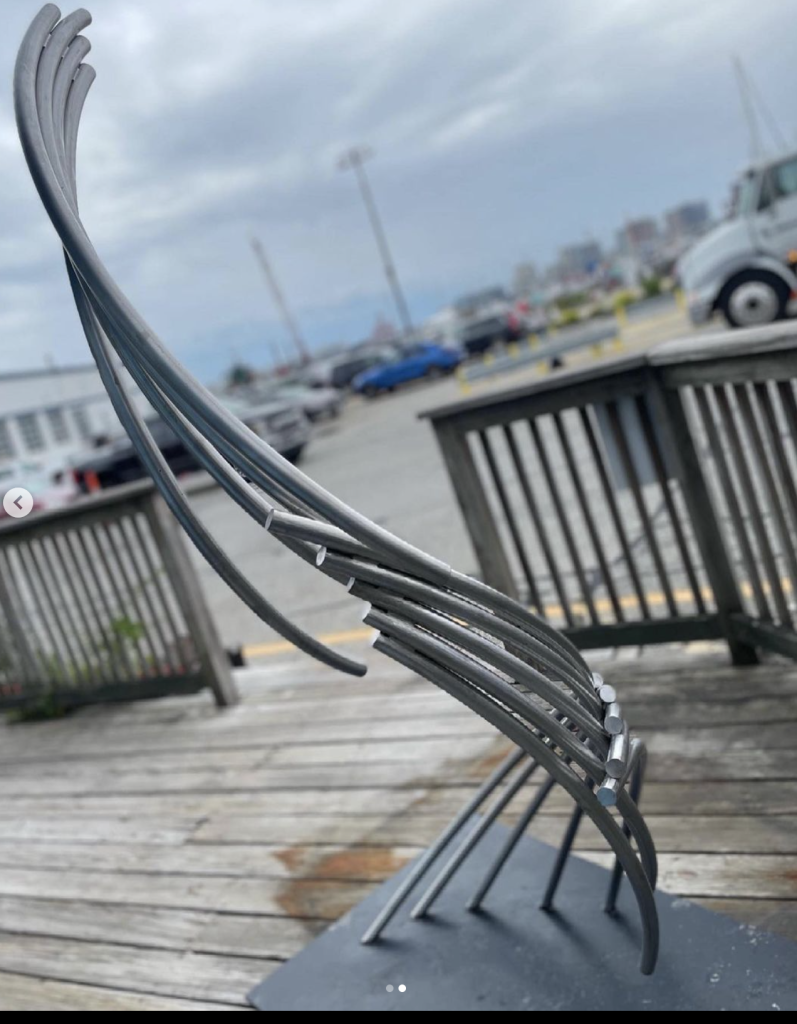
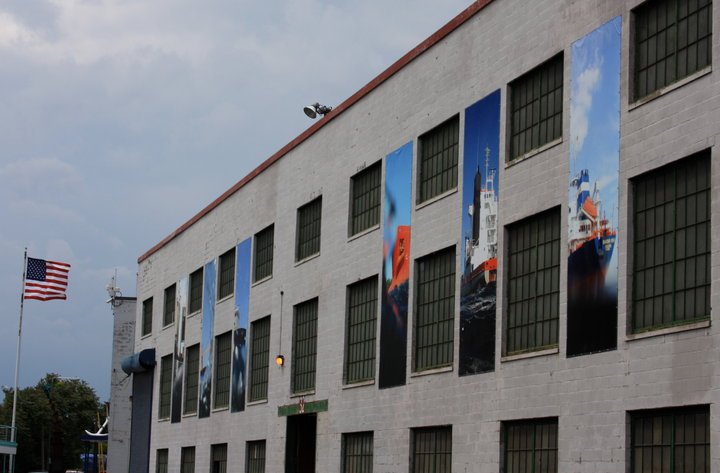
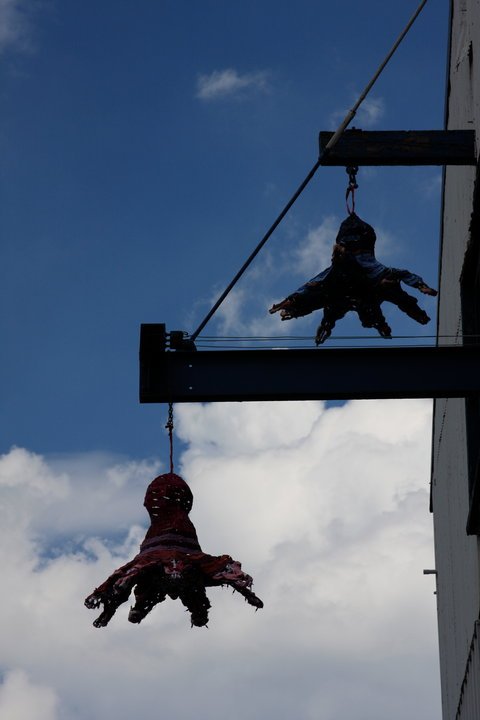
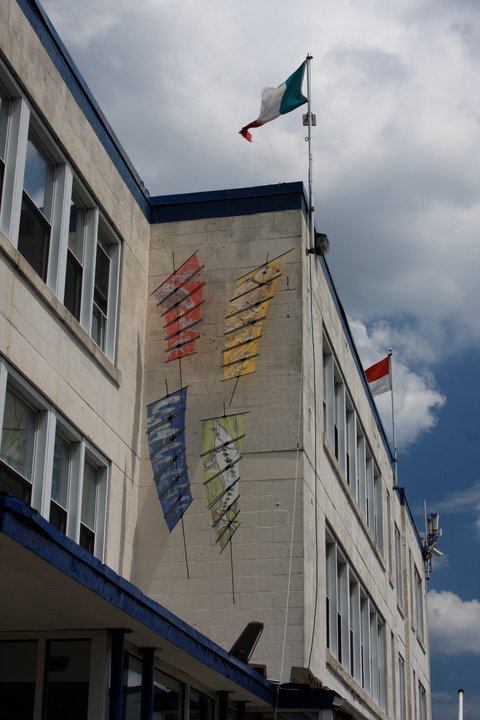
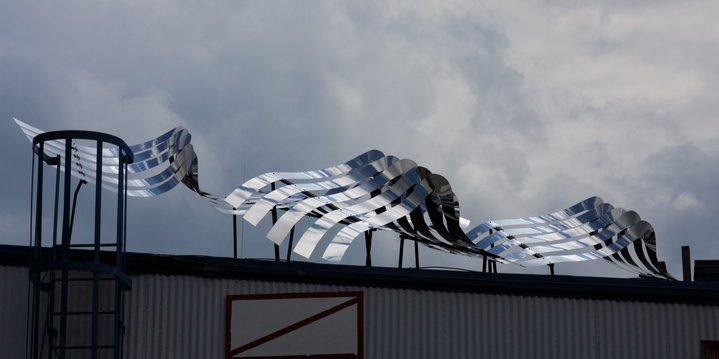
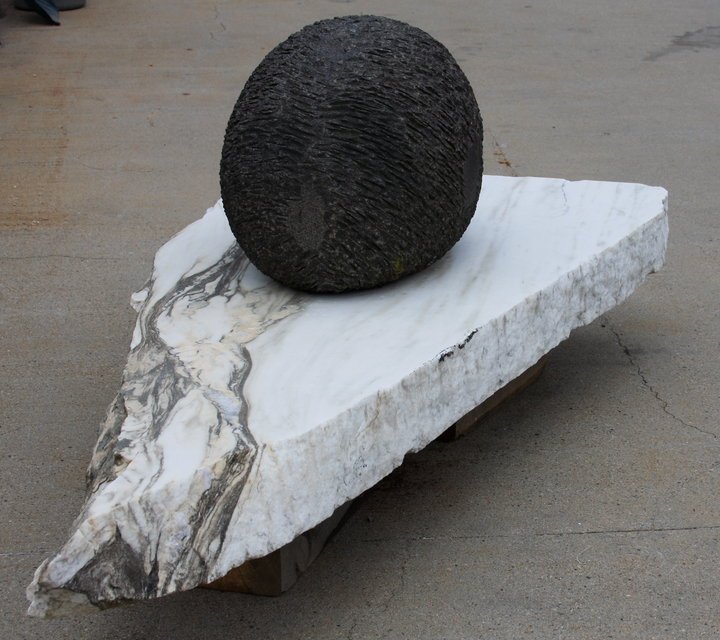
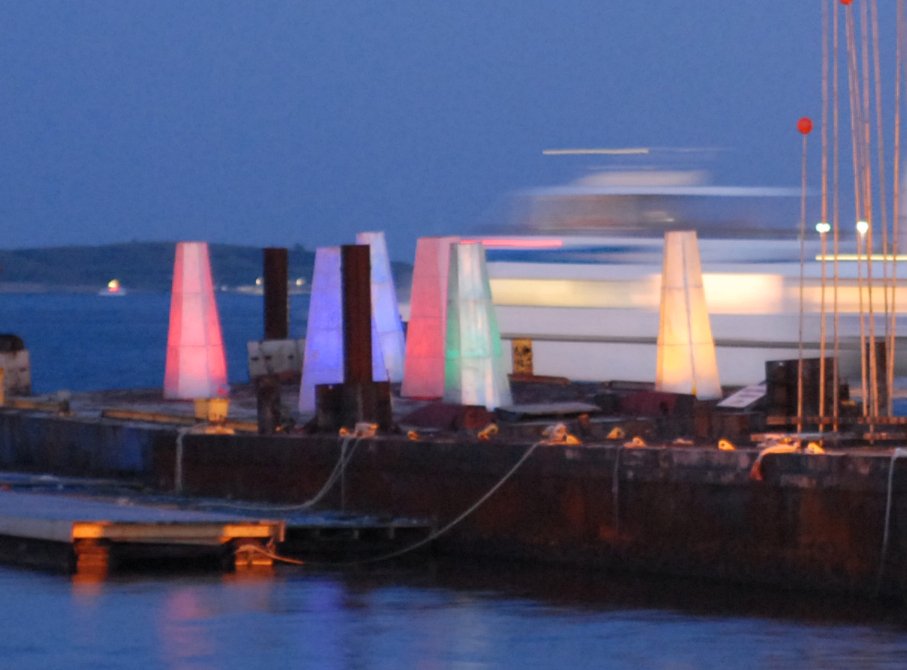
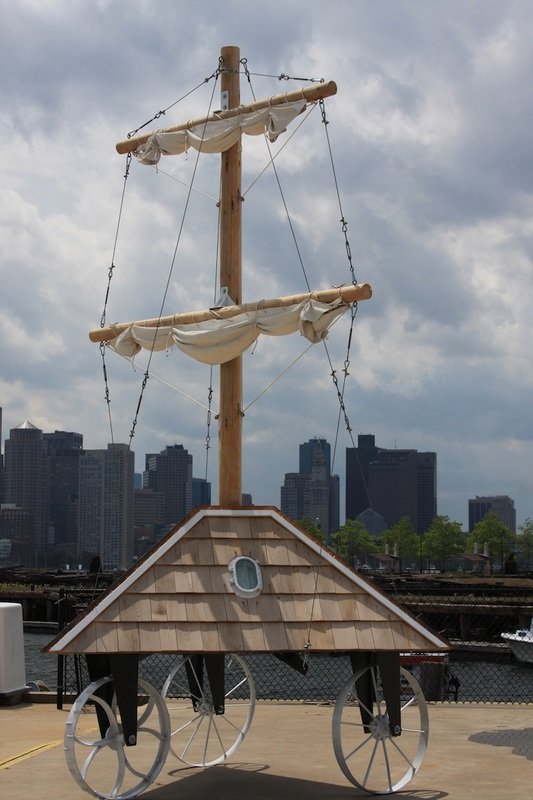
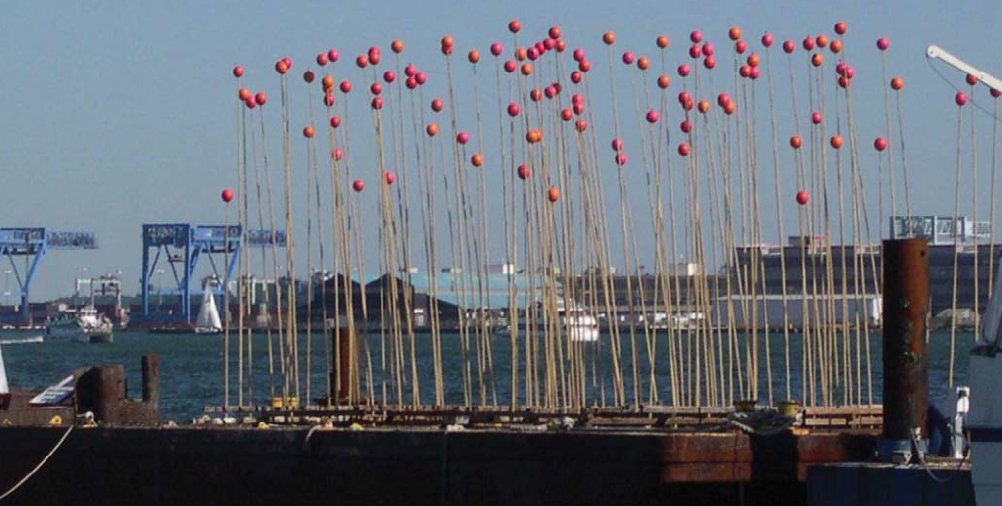
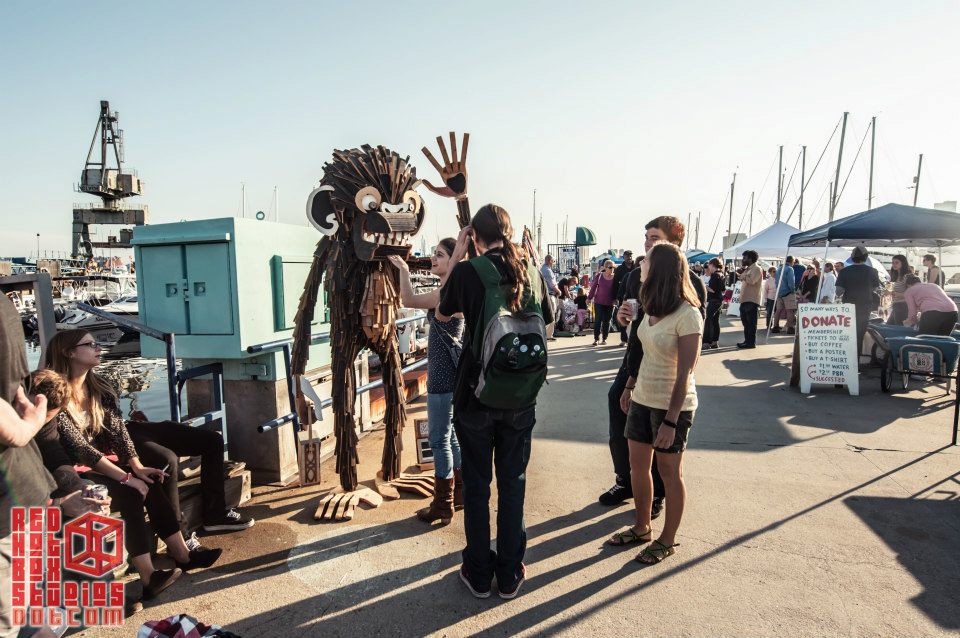
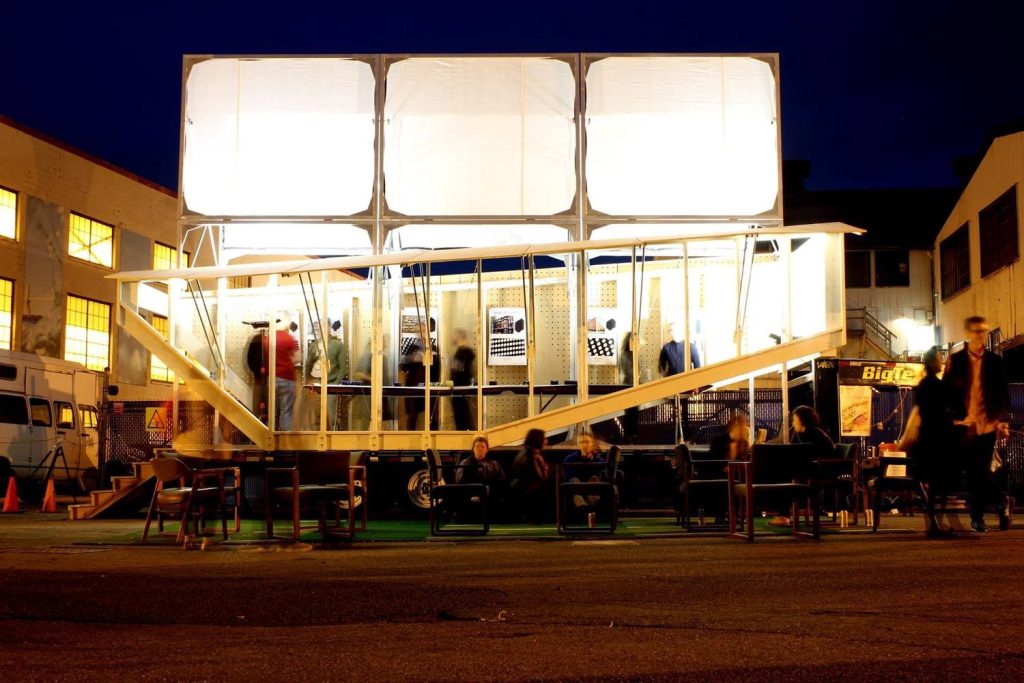
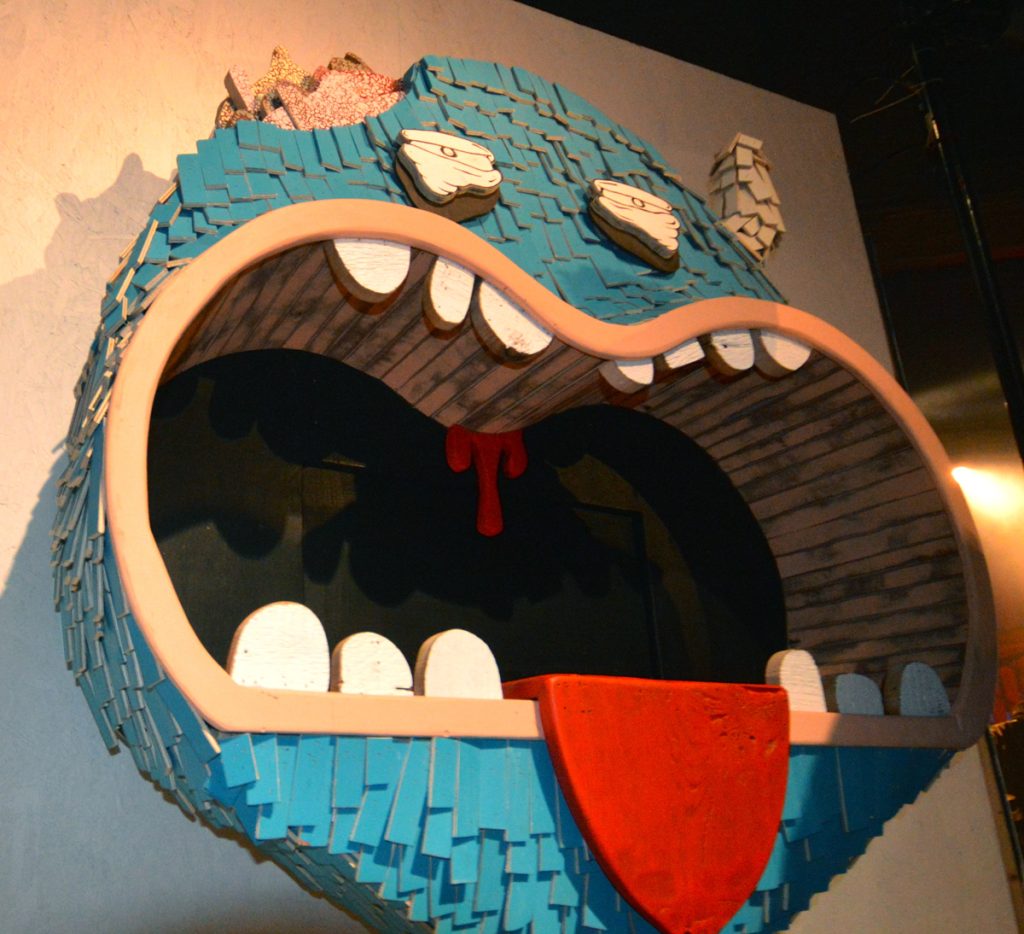
It started with a 14-acre active shipyard and marina. HarborArts transformed the shipyard into an outdoor sculpture park where we produced festivals, pop-up activations and galleries, and maintained a rotating collection of monumental public art installations. Today, the empty warehouses are full, and the shipyard has become a premier Boston Harbor destination, complete with a restaurant, cider brewery (Downeast), and a major art institution (the ICA Watershed).
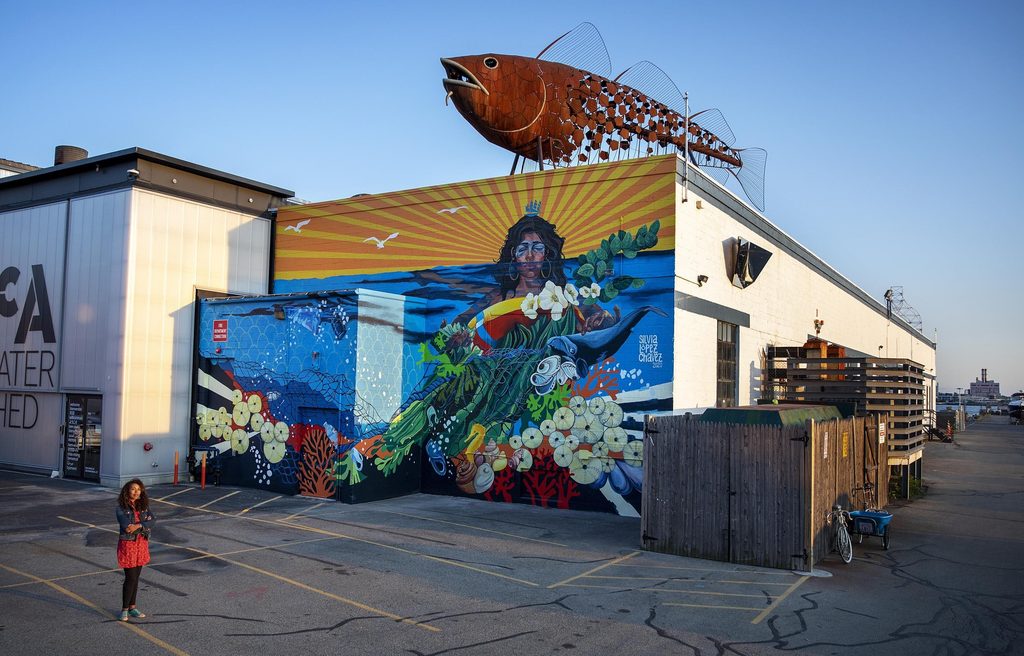
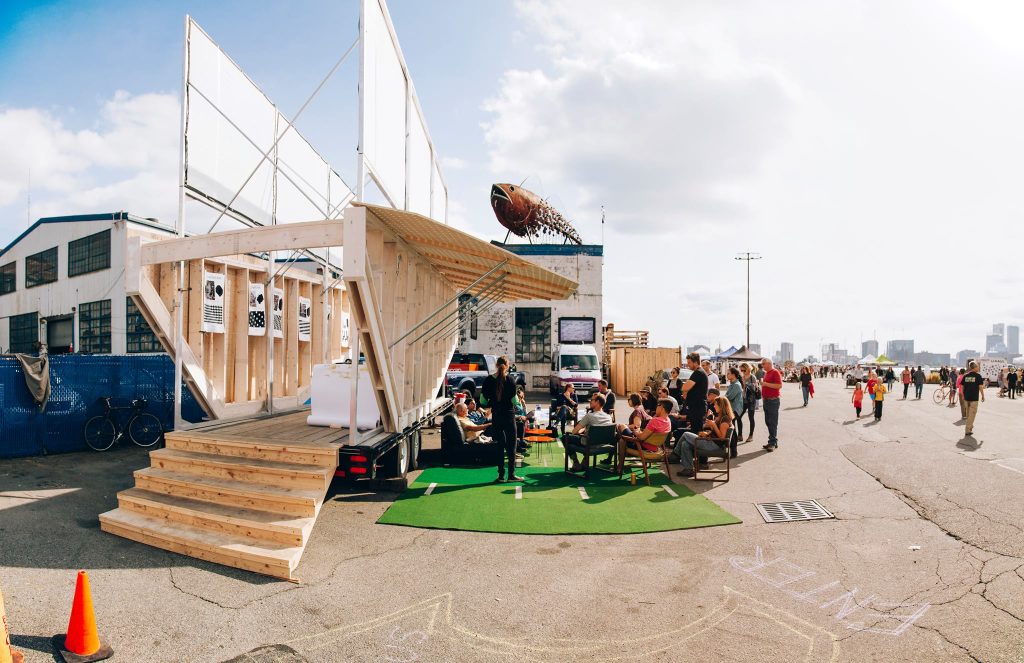
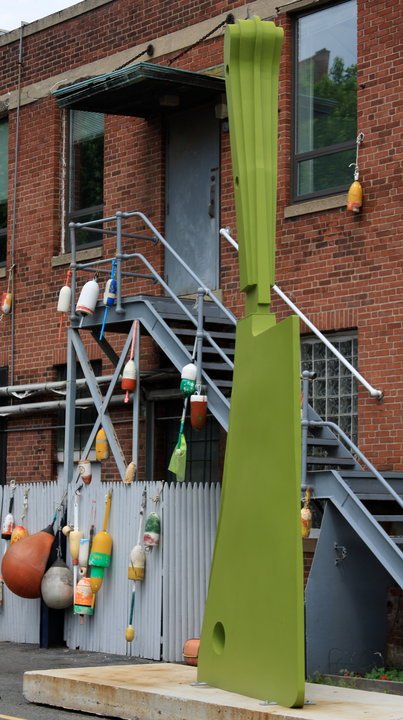
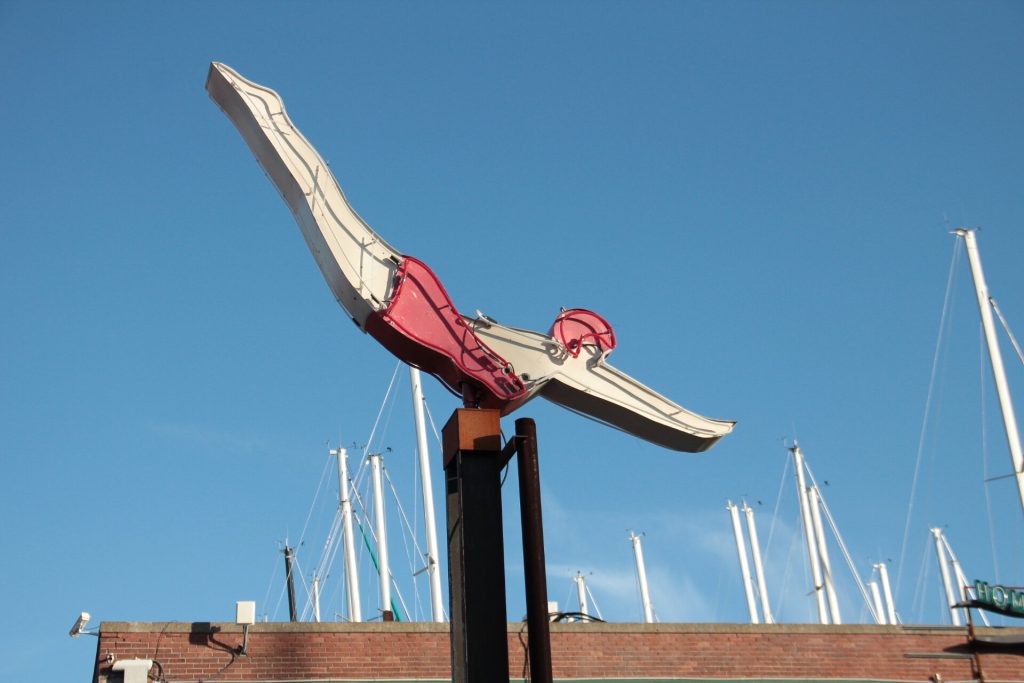
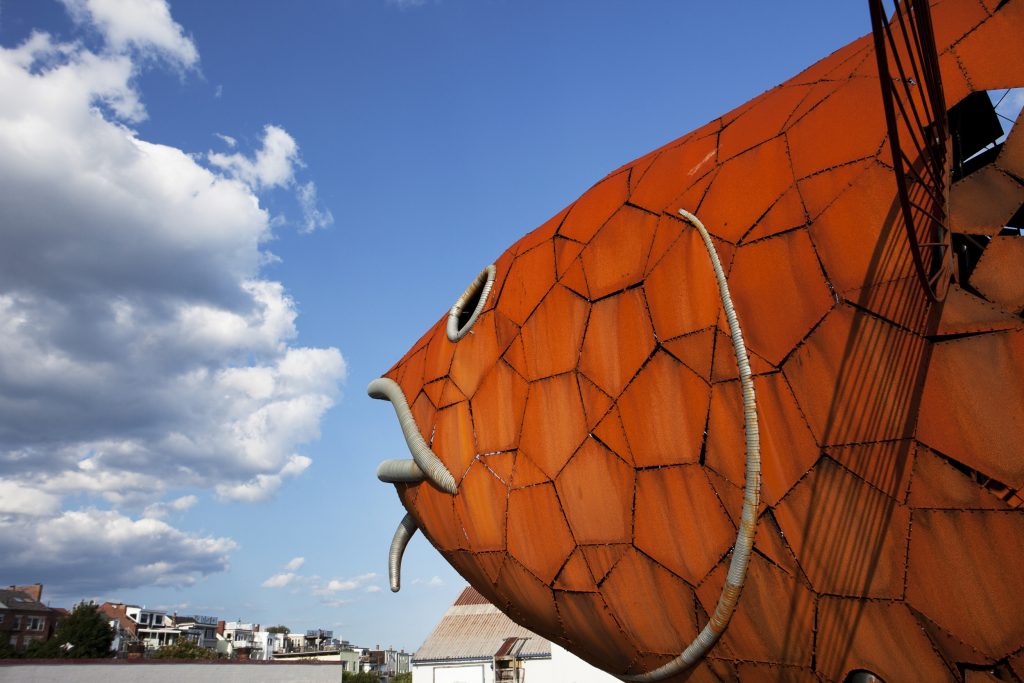
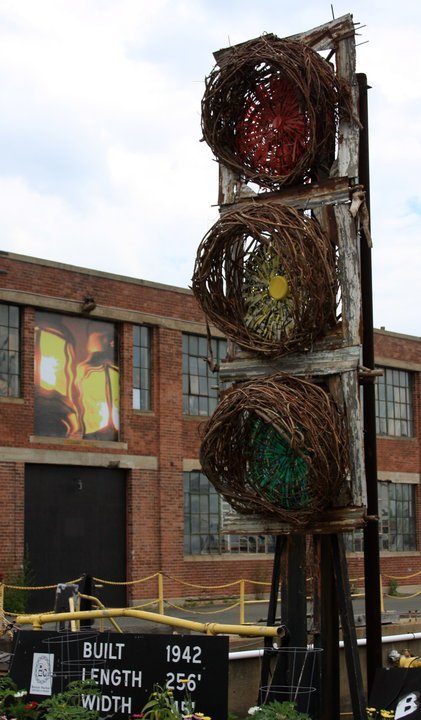
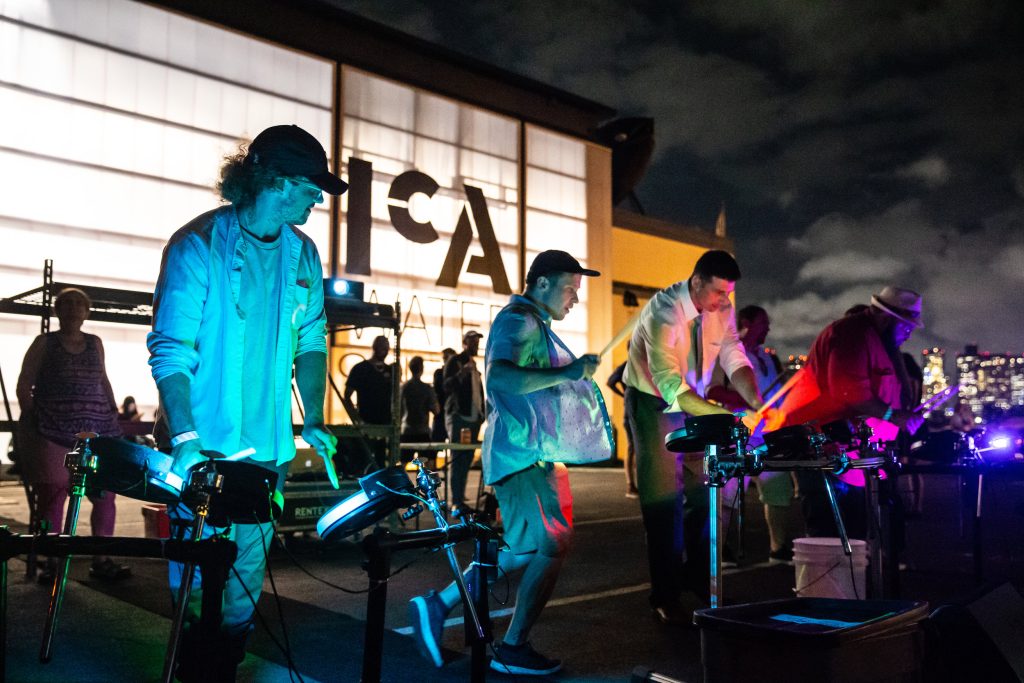
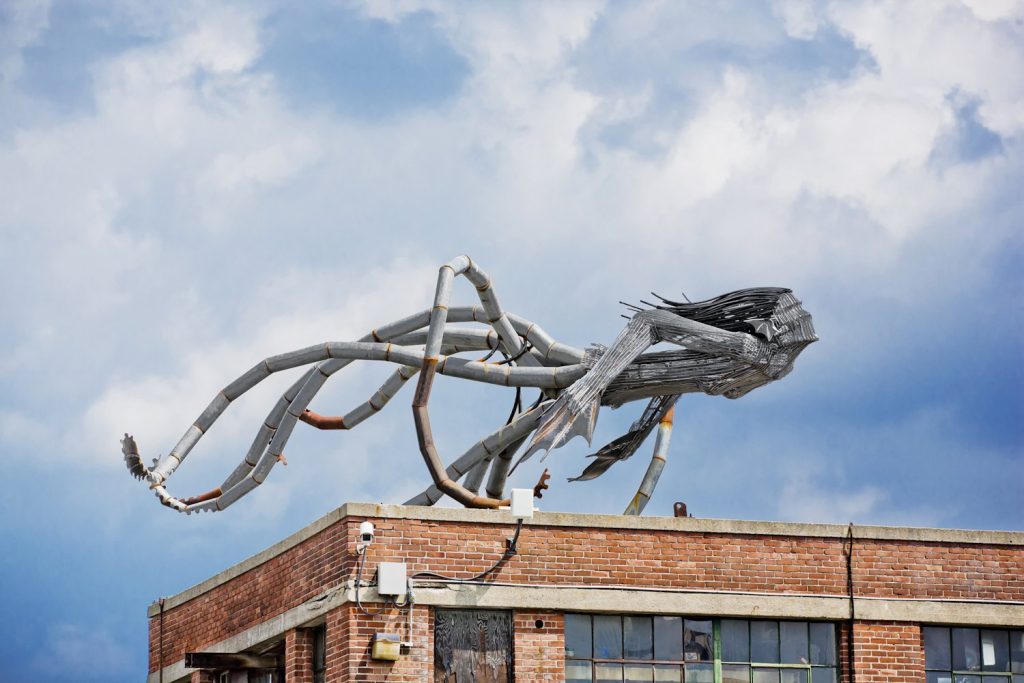
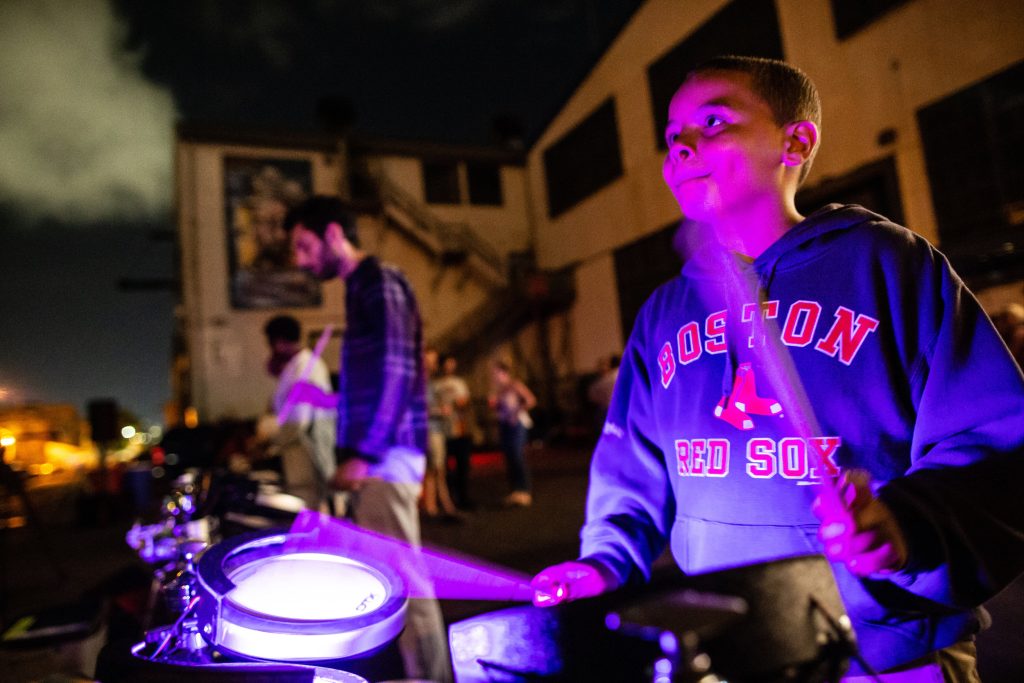
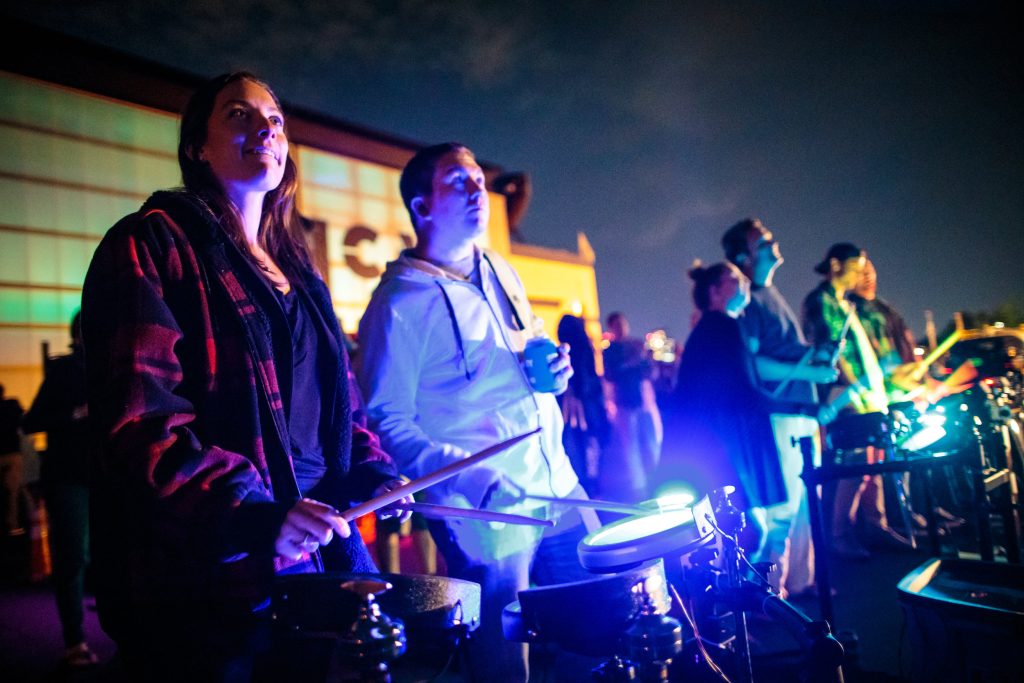
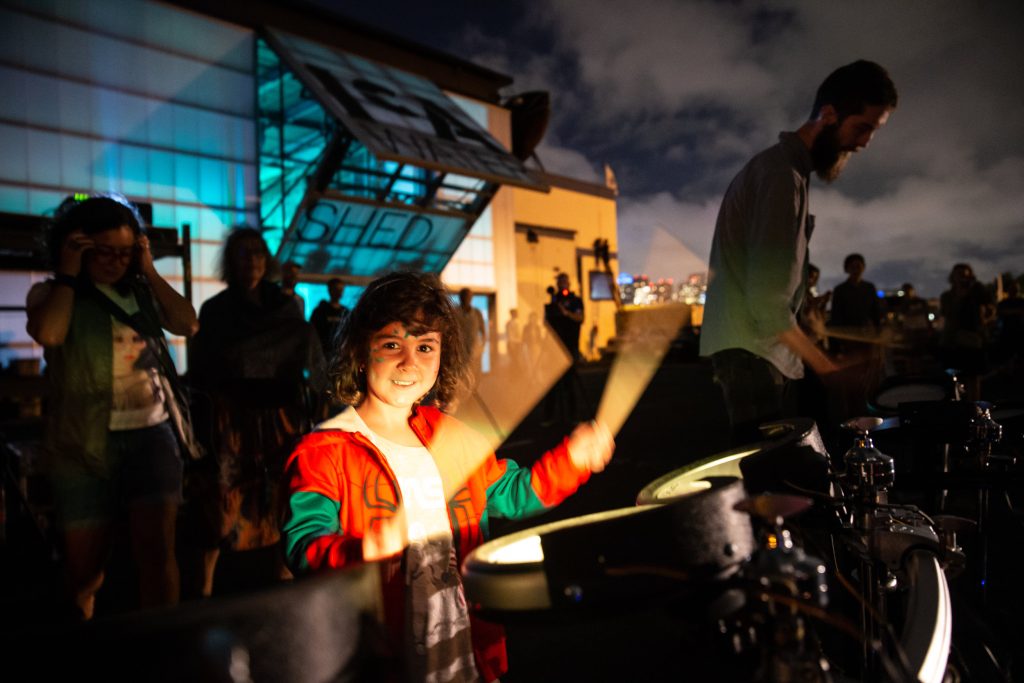
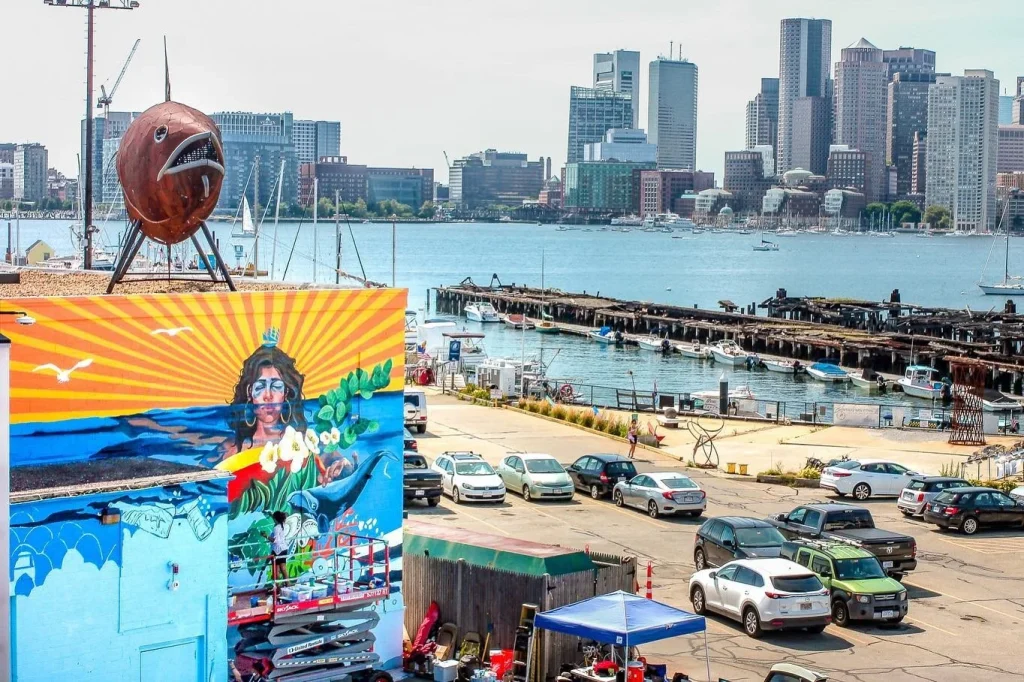
A giant steel cod on a warehouse roof. Sculptures tucked between boats and marine equipment. Music pulling people toward the waterfront. Through HarborArts, we helped make a working shipyard a place people came to experience art, and kept finding reasons to come back.
The project began with Steve Israel, who built that cod with help from shipyard workers and fabricators. I joined HarborArts in 2011 and went on to lead the organization, expanding its outdoor collection and producing festivals, pop-up galleries and installations across the 14-acre Boston Harbor Shipyard & Marina.
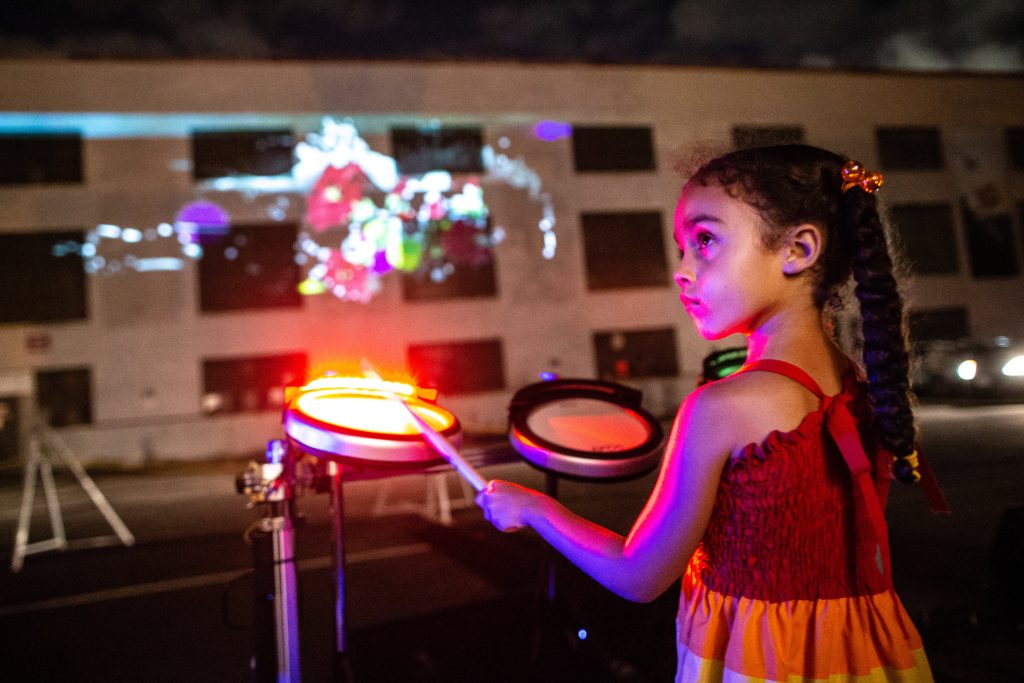
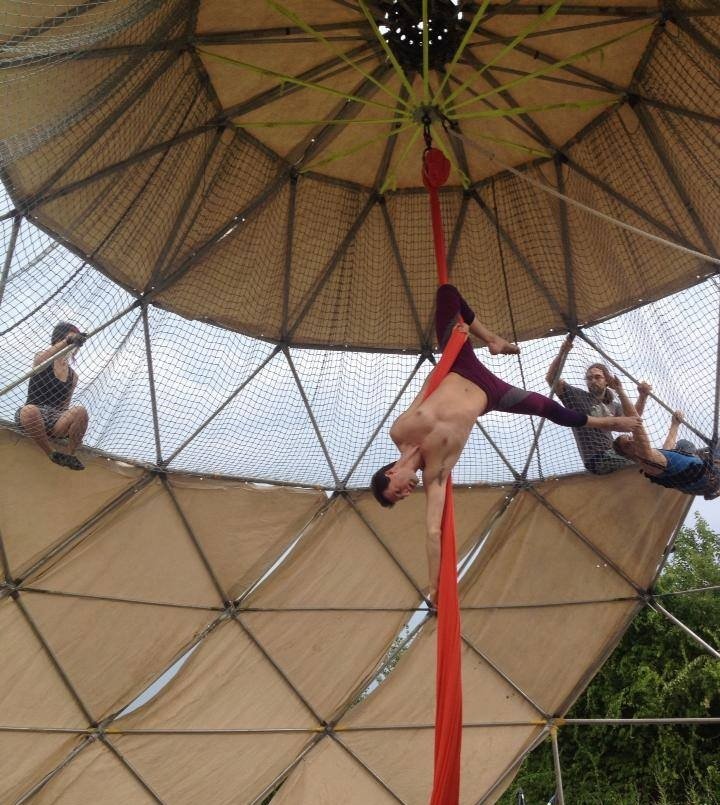
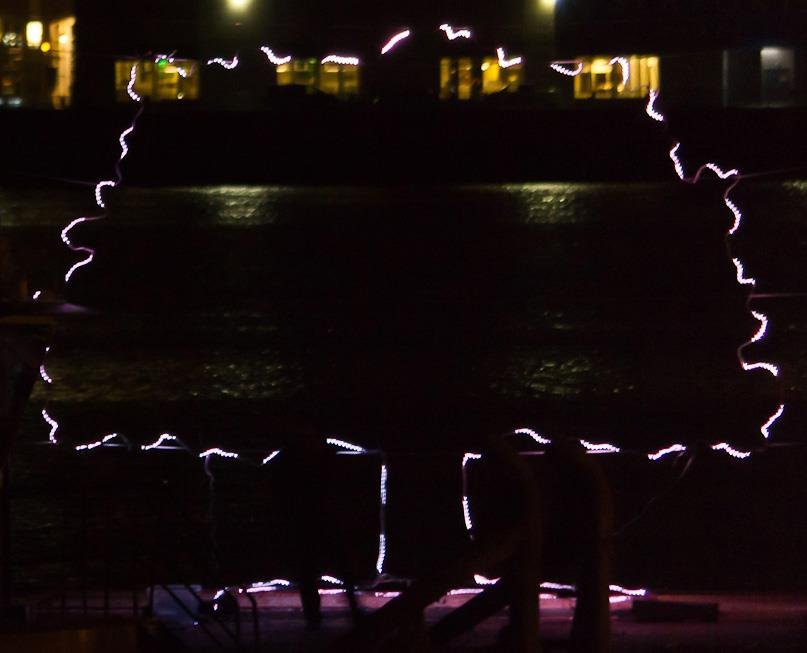
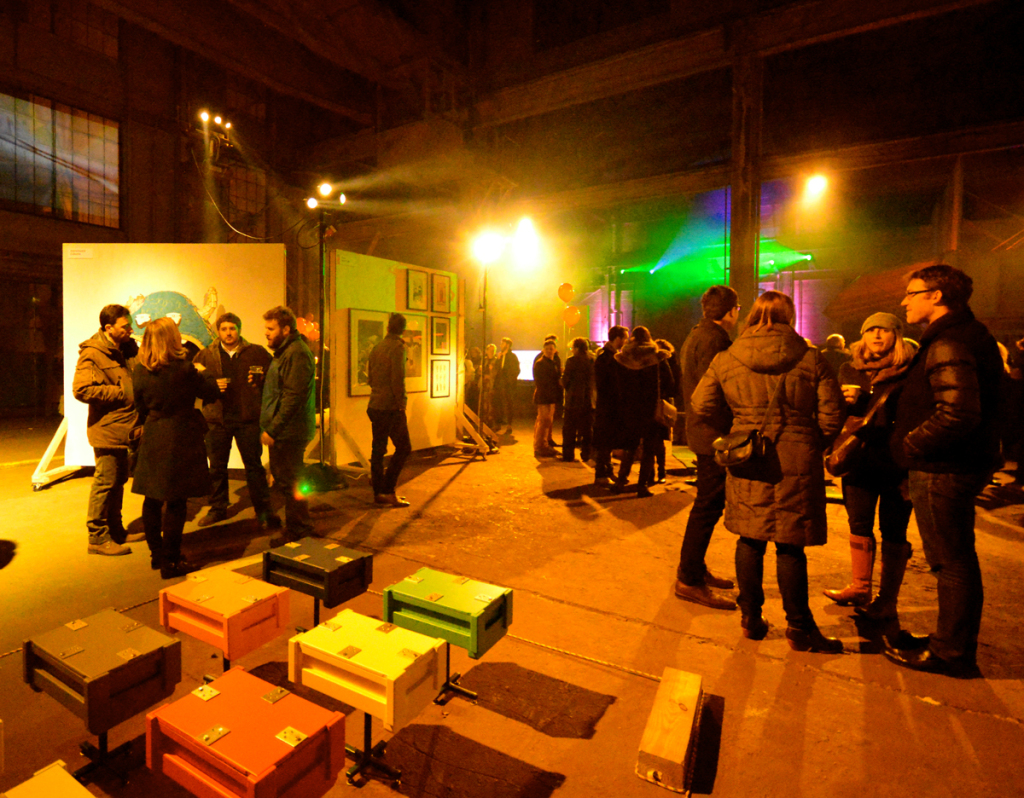
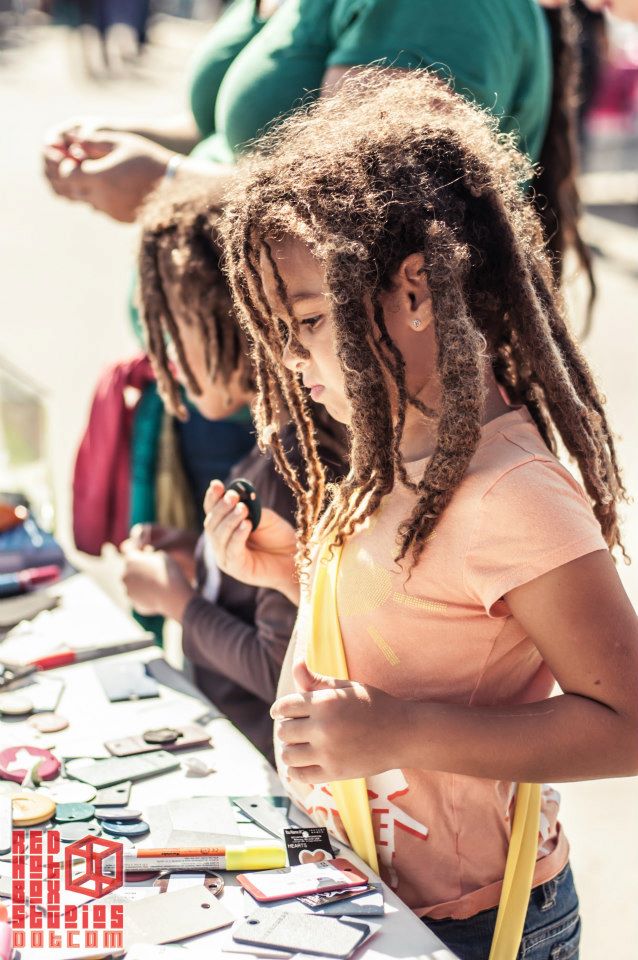
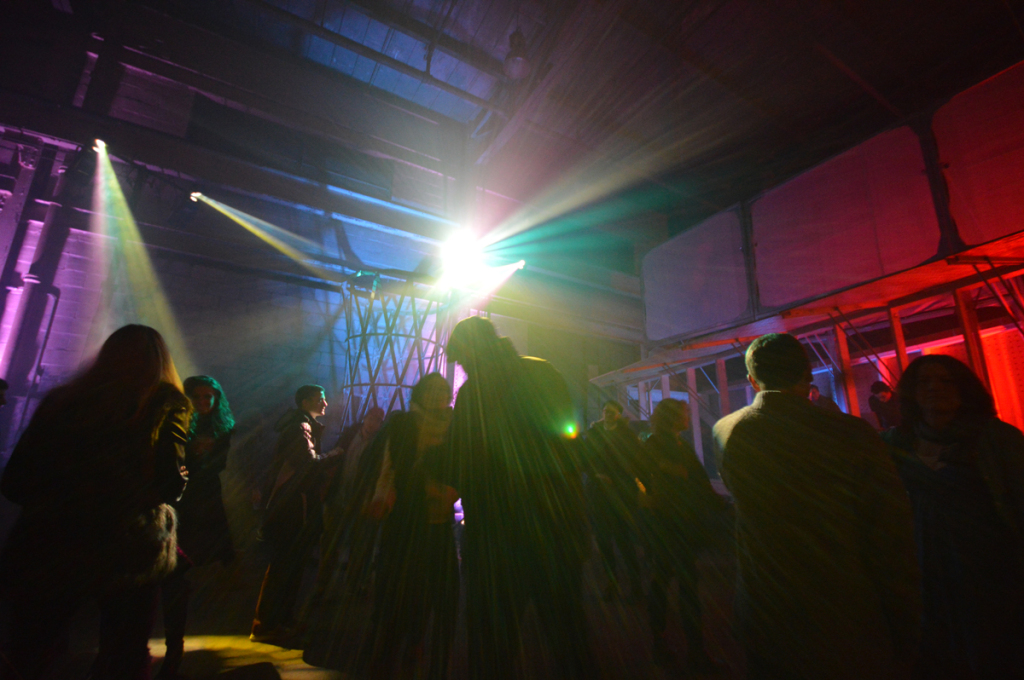
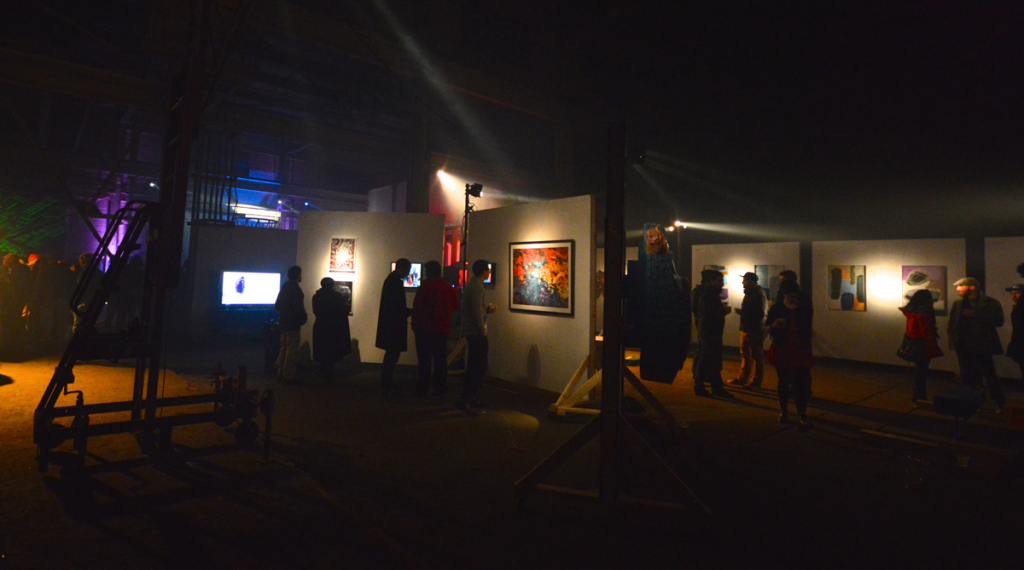
There was so much to work with: big walls, open barges, industrial materials and people who knew how to build things. We brought artists into that environment and helped them bring big ideas to life. Festivals, warehouse parties, and temporary activations filled the grounds with music and makers, with painted fish guiding visitors from Maverick Station to the waterfront. Boston.com captured the growing festival in 2013.
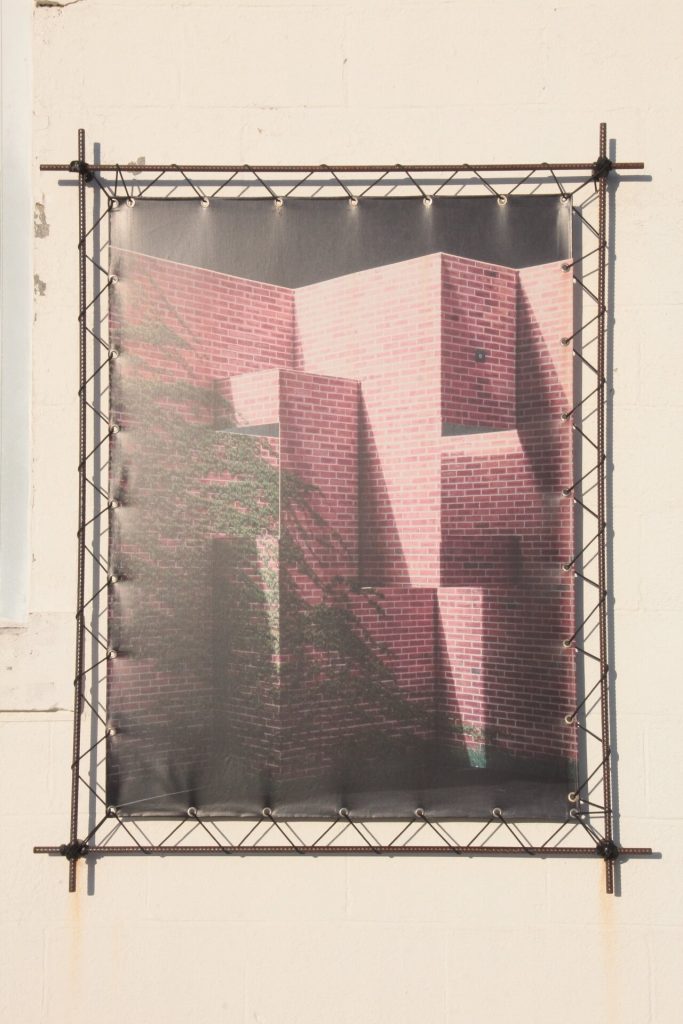
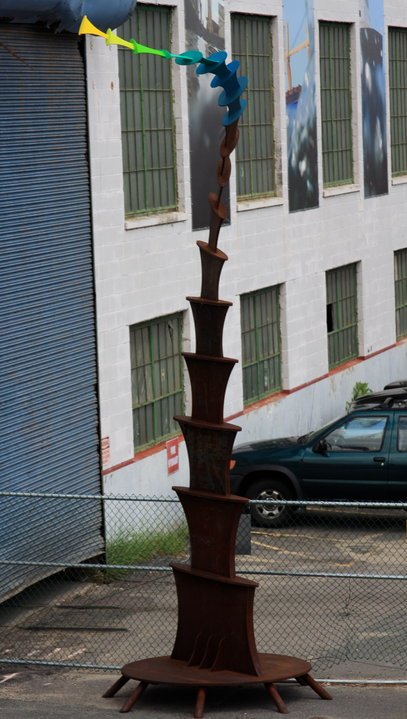
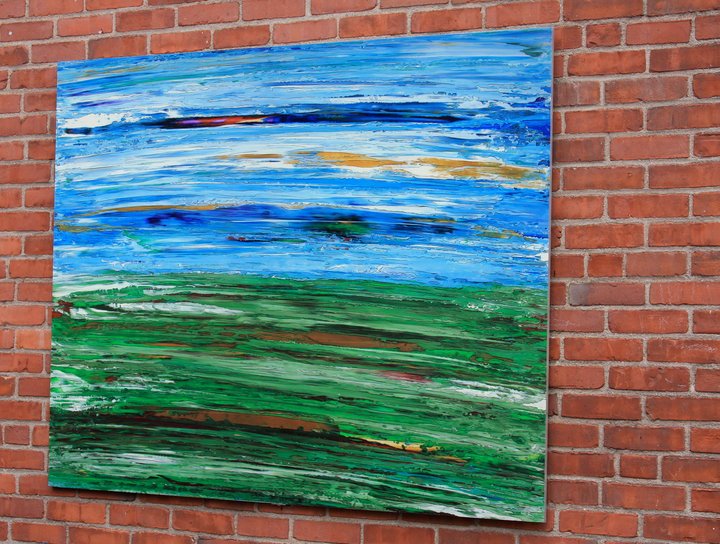
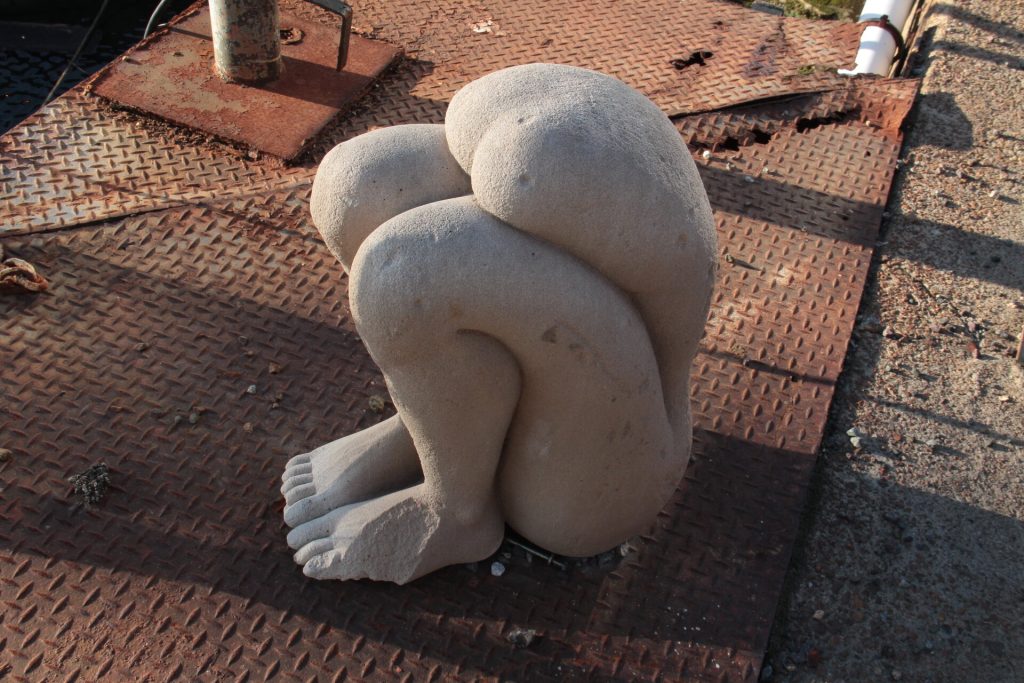
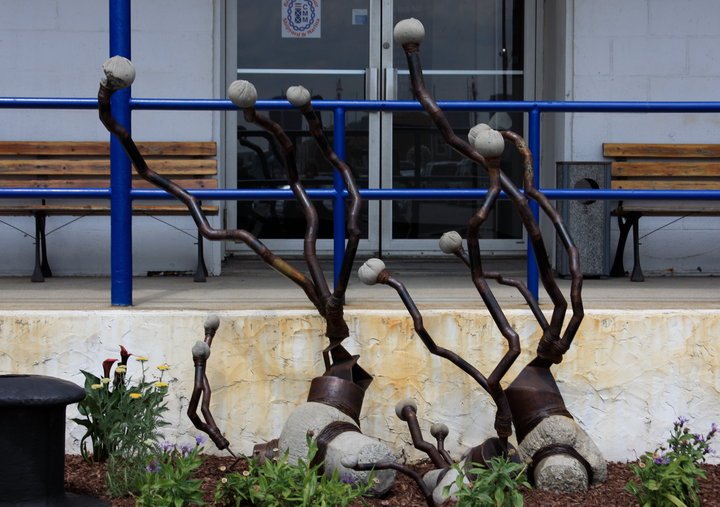
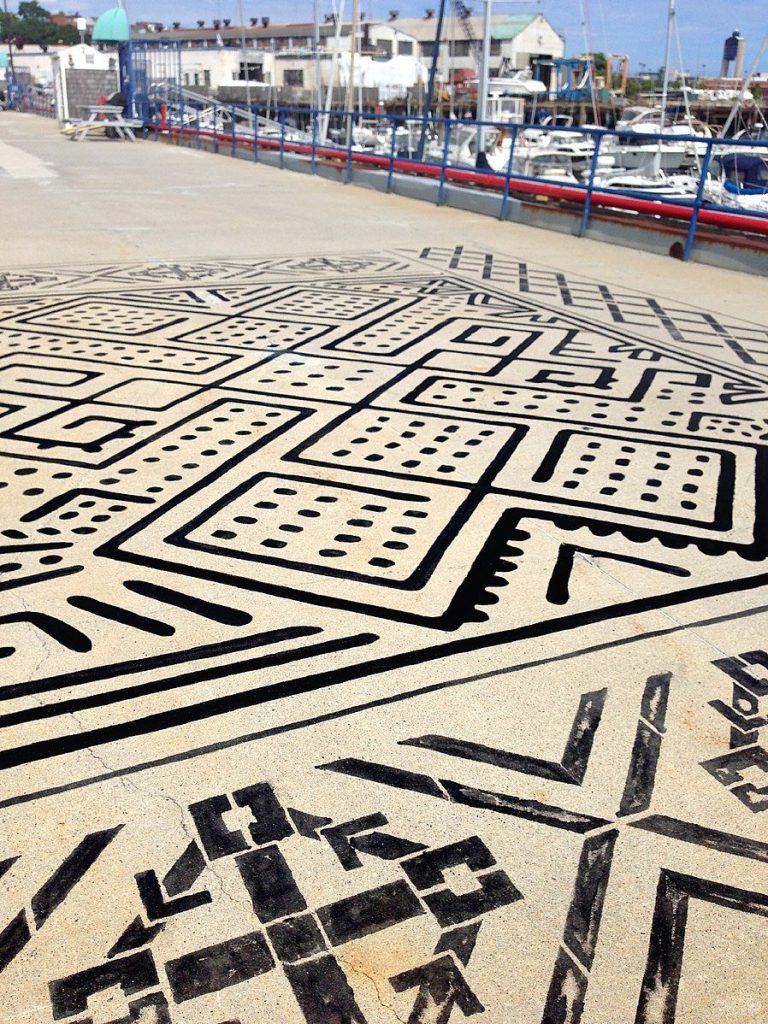
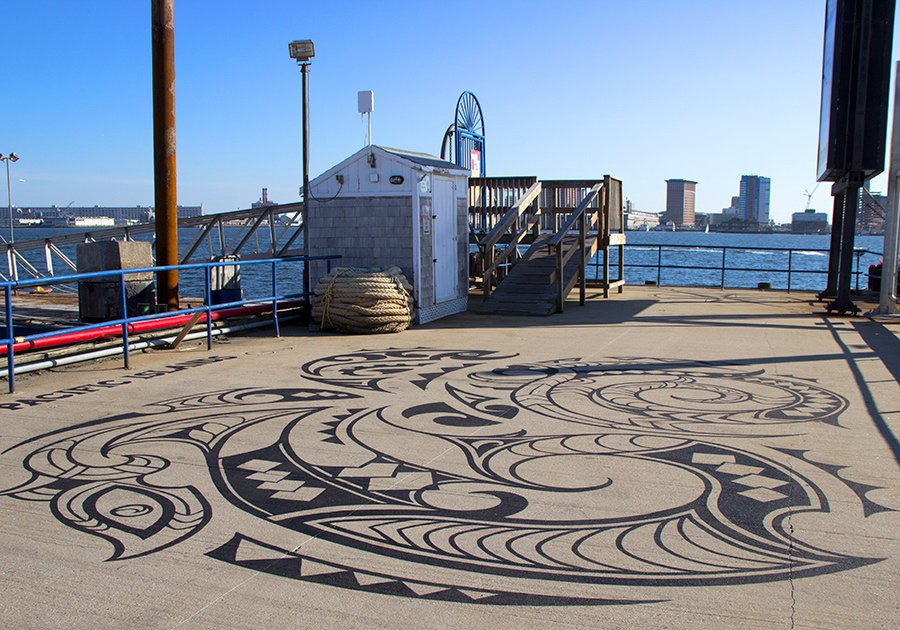
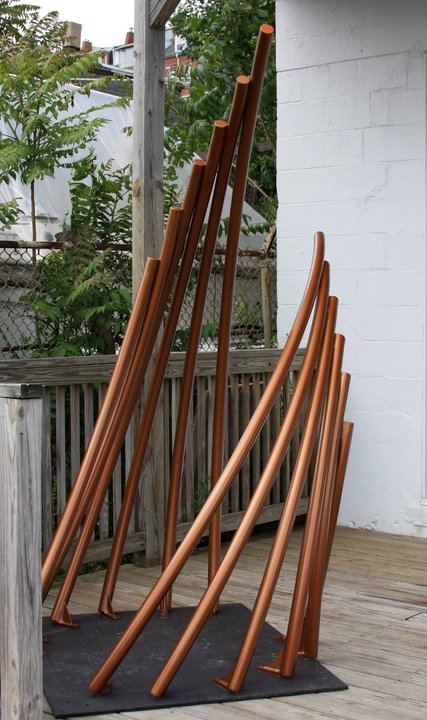
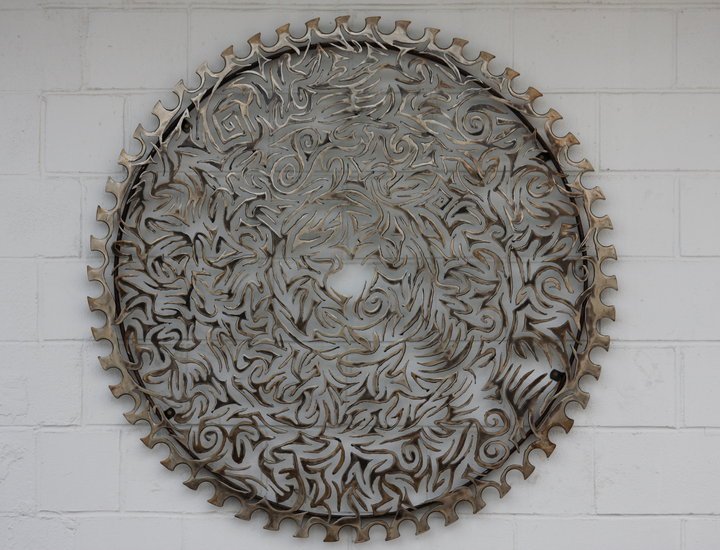
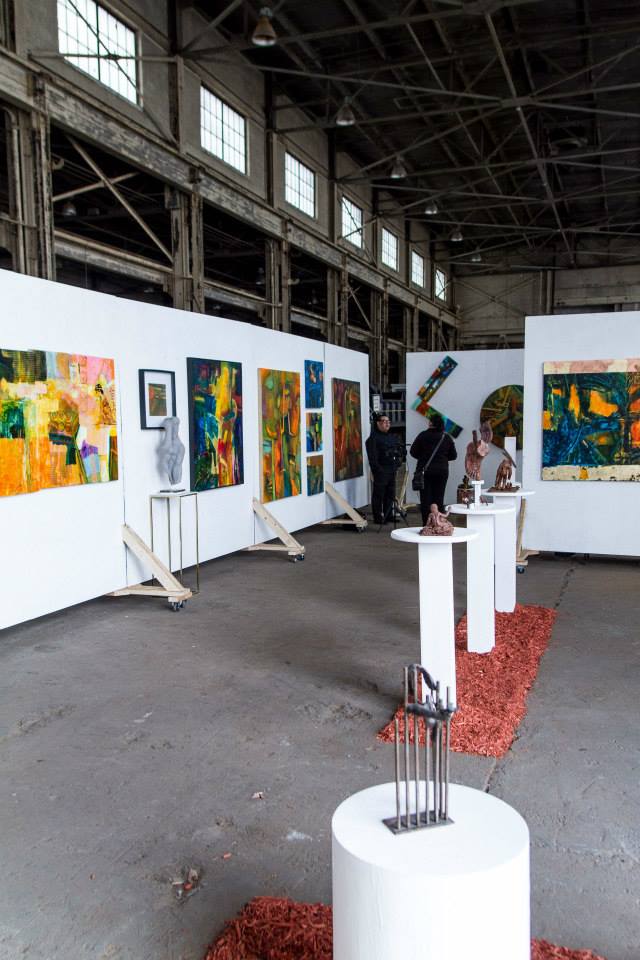
Between events, the artwork gave people something to discover. Liz LaManche’s enormous dock painting explored the cultures connected to Boston by sea, while reclaimed sculptures felt at home among the shipyard equipment. As I described in The Harvard Crimson in 2014, people could encounter the work on their own terms, without needing to walk into a gallery.
By the time the ICA Watershed opened in 2018, it joined an established outdoor art collection and a growing mix of places to eat, drink and spend time along the harbor.
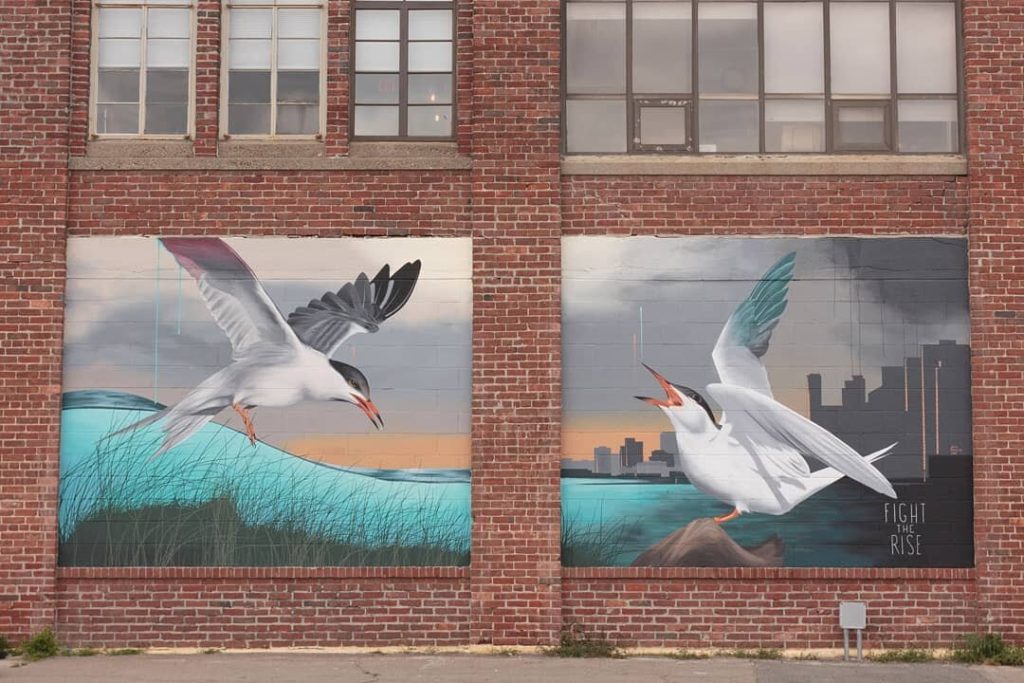
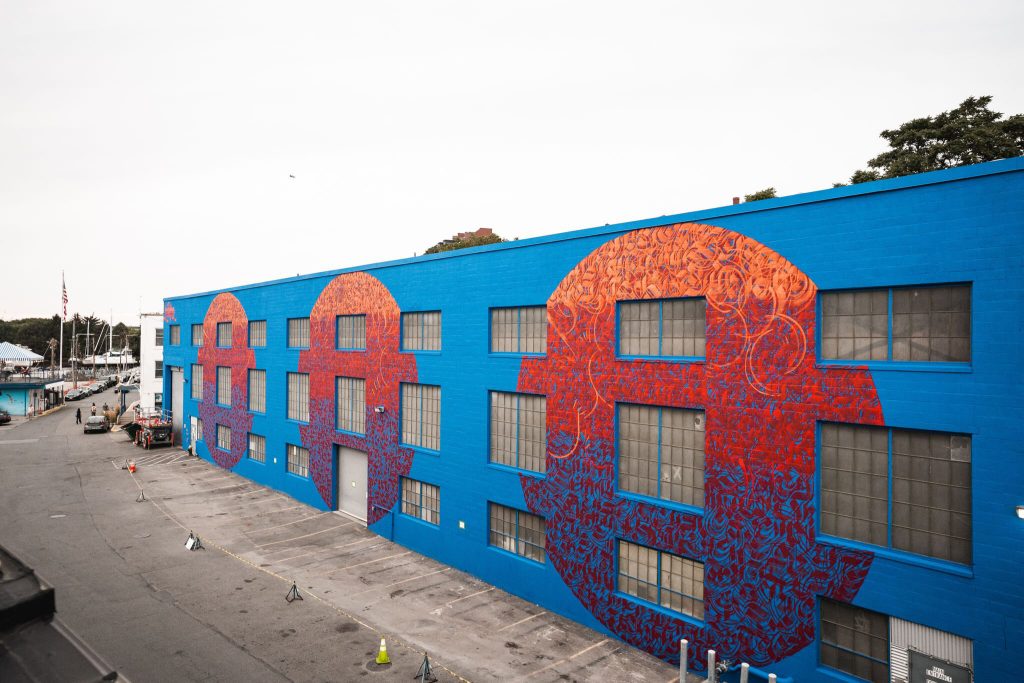
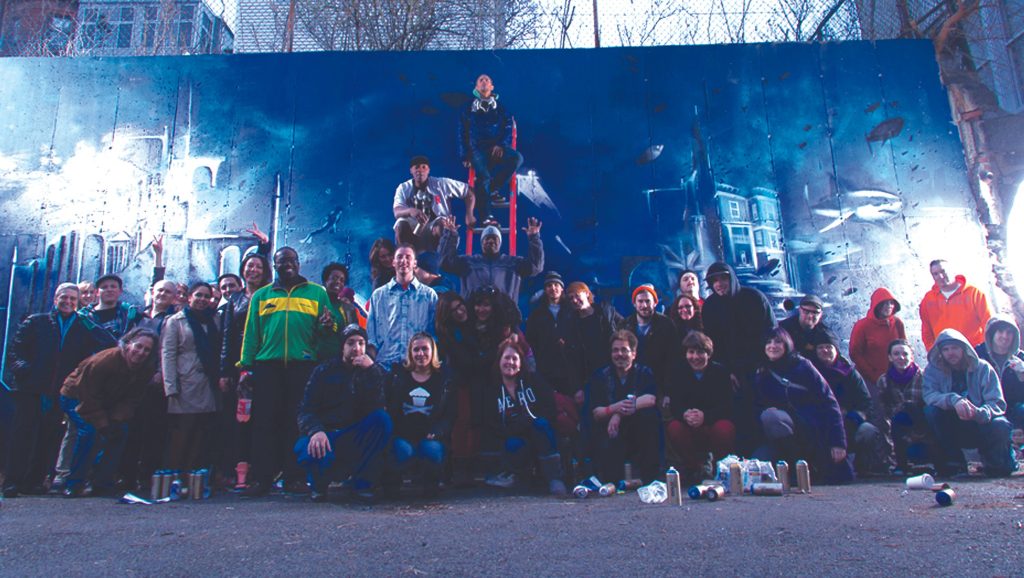
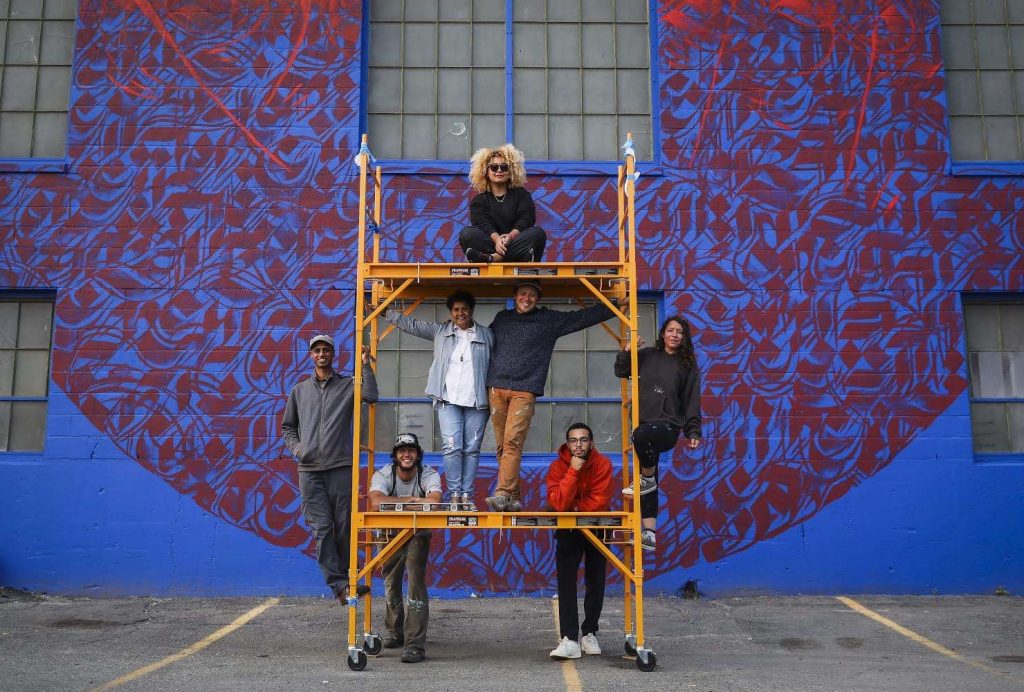
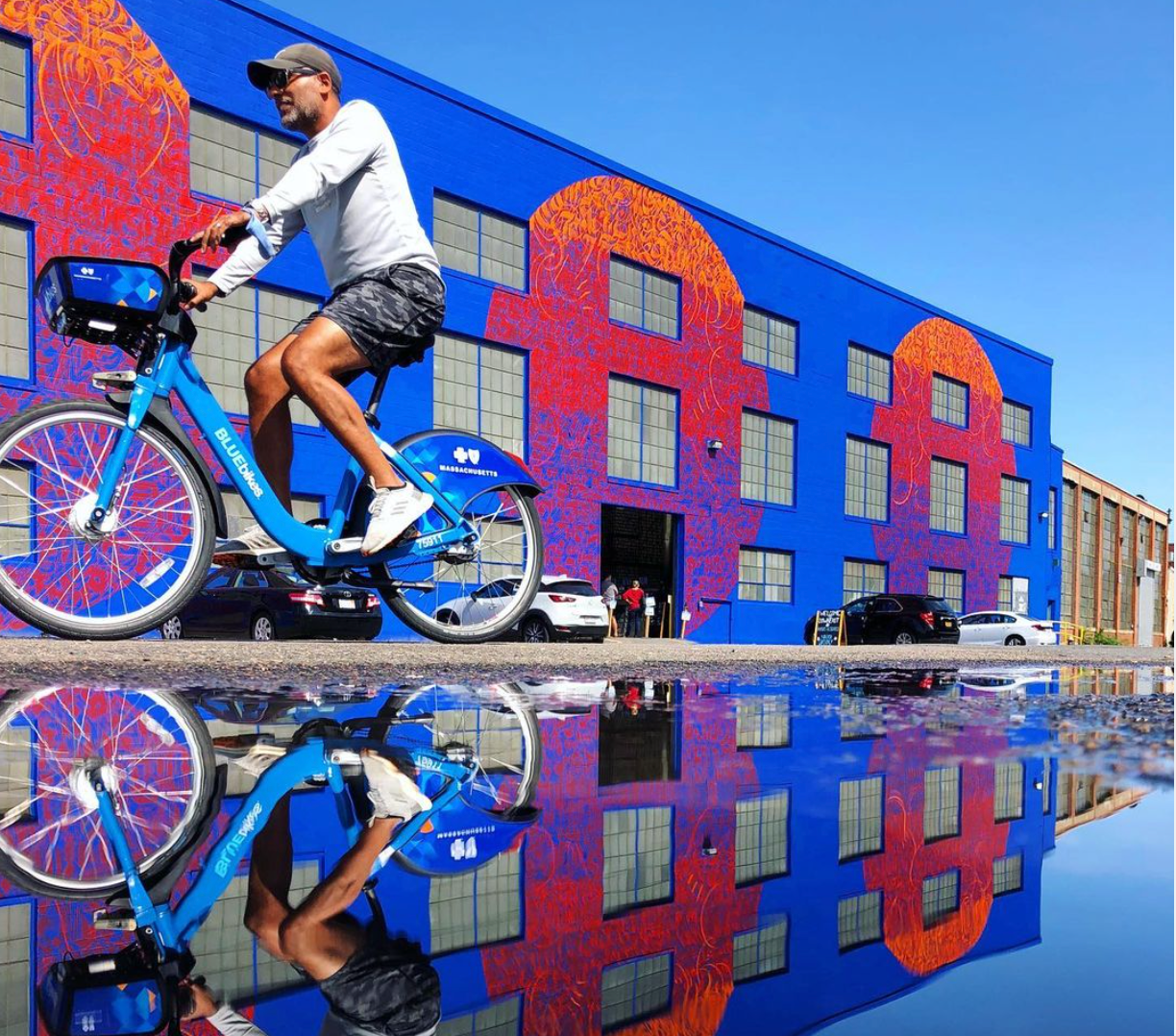
In 2020, we brought Sea Walls: Artists for Oceans to Boston with PangeaSeed Foundation and support from Linda Cabot, extending the work from the shipyard into the neighborhood. Seven murals connected ocean conservation with the lives and histories of East Boston. Among them, Silvia López Chavez’s Rise greeted visitors at the shipyard with a woman emerging from rising water. WBUR’s coverage explores how the murals brought beauty and environmental concerns into public view.
From the first festivals to Sea Walls, this work grew through years of relationships, collaboration and showing up. It helped shape the way we work at Moyer Bell Studio: supporting artists, building on what makes a place special, and giving people new reasons to be part of it.